



Ukraine's Impact: The Tectonic Shift Begins
From the Baltic to the Black Sea, barriers rise higher. Finland's border closure, Latvia's conscription revival, a shopping mall turned ghost town. The new Cold War shaped by the Russia-Ukraine war.
This article is based on the KBS documentary "Ukraine's Impact Part 2: The Tectonic Shift Begins."
From the Baltic to the Black Sea: Rising Barriers
One thing is clear: the fear that the war might expand is spreading among EU and NATO countries. The three Baltic states bordering Russia—Estonia, Latvia, and Lithuania—are building what's known as the Baltic Defense Line, complete with anti-tank obstacles, surveillance sensors, and concrete barriers.
Latvia, which had abolished conscription, reinstated mandatory military service for men after the outbreak of the Russia-Ukraine war. Just 15 years after joining NATO and immediately abolishing conscription, Latvia watched the war in Ukraine and brought the draft back. Drawing lessons from Ukraine, Latvia is also investing heavily in civilian preparedness. They're checking water systems, energy infrastructure, food supplies, and fuel distribution to prepare for a potential Russian invasion. The possible aggressor, they believe, can only be Russia.
NATO forces stationed in Latvia have been upgraded from battalion to brigade strength. Their goal is to make every border from northern Finland to southern Poland impenetrable to Russia.
A Mocking Portrait Facing the Russian Embassy in Latvia
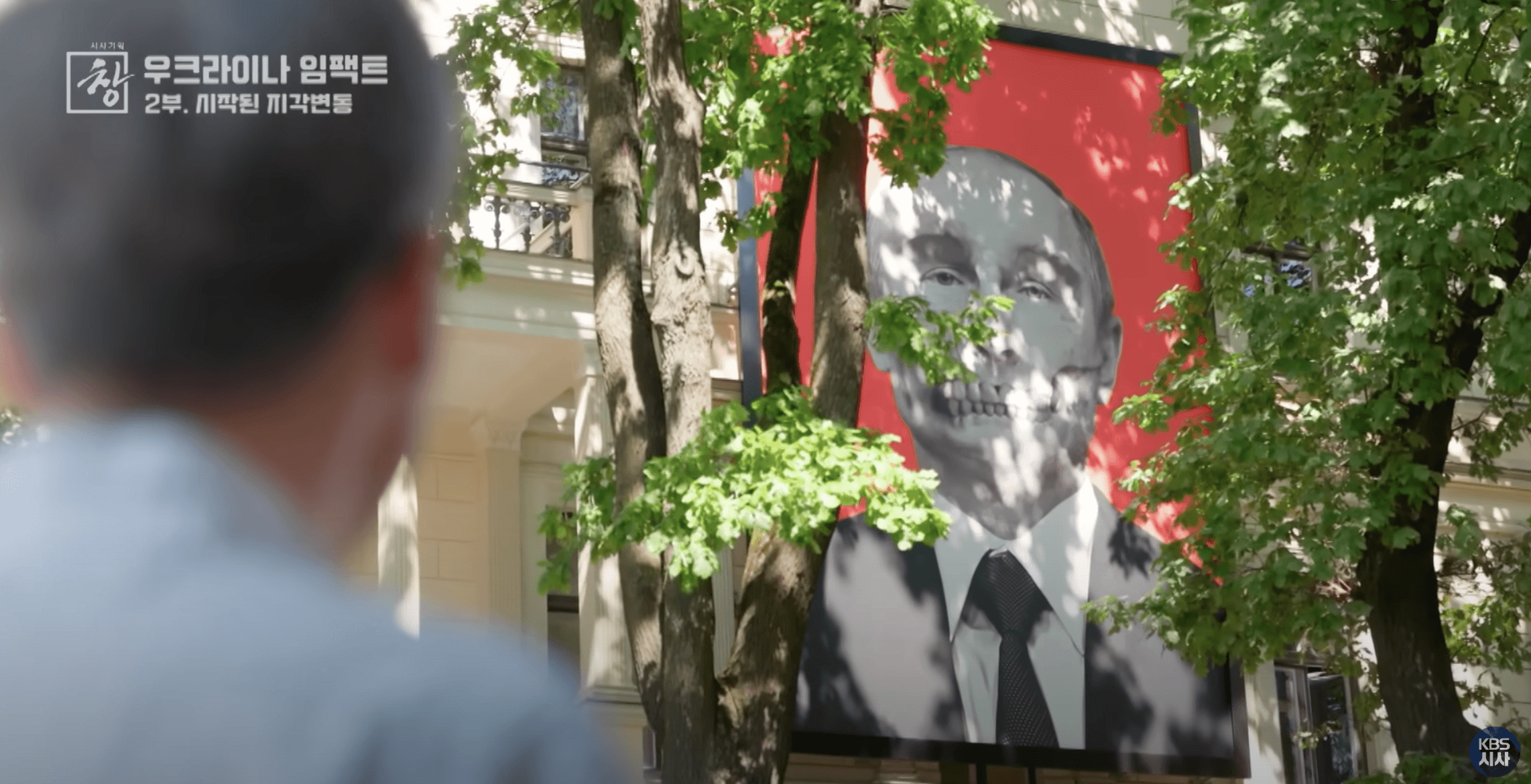
A large banner mocking Russian President Putin hangs on a building in downtown Riga, catching the attention of passersby. Remarkably, this artwork faces directly toward the Russian Embassy. Across Europe, there's growing criticism that Putin's warnings about NATO's eastward expansion were underestimated, and that the West responded weakly while Russia pressed ahead with war. When Russia attacked Georgia in 2008, the world witnessed military aggression firsthand, yet strangely, the West—including the Baltic states—quickly returned to business as usual, taking no substantial measures.
Bolted Shut: The Finland-Russia Border
The Closure of the 1,340km Finland-Russia Border
The Baltic Sea in the north, where cool winds blow even in midsummer, once served as a bridge between Russia and Europe. Before the war, it was a gateway through which millions of Russians traveled to Europe annually. But now, European countries are bolting their doors to Russia ever more tightly.
Finland and Russia share a long border stretching 1,340km over land. The once-vibrant exchange between the two nations has been completely suspended since the war. Border offices that once overflowed with tourists now stand locked. Finland abandoned its neutral stance after the war's outbreak and joined NATO in 2023. Now, they're building barriers along the Russian border.
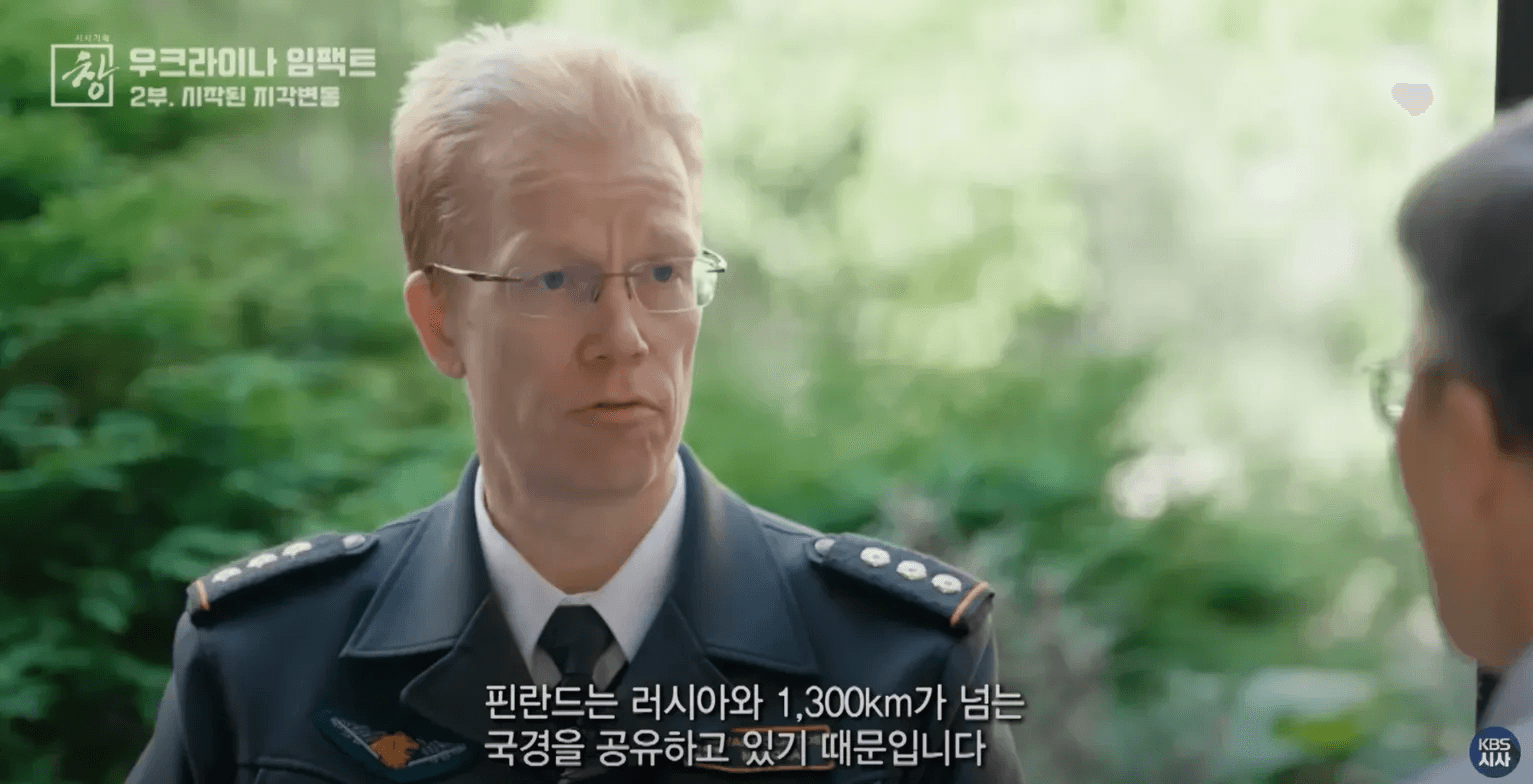
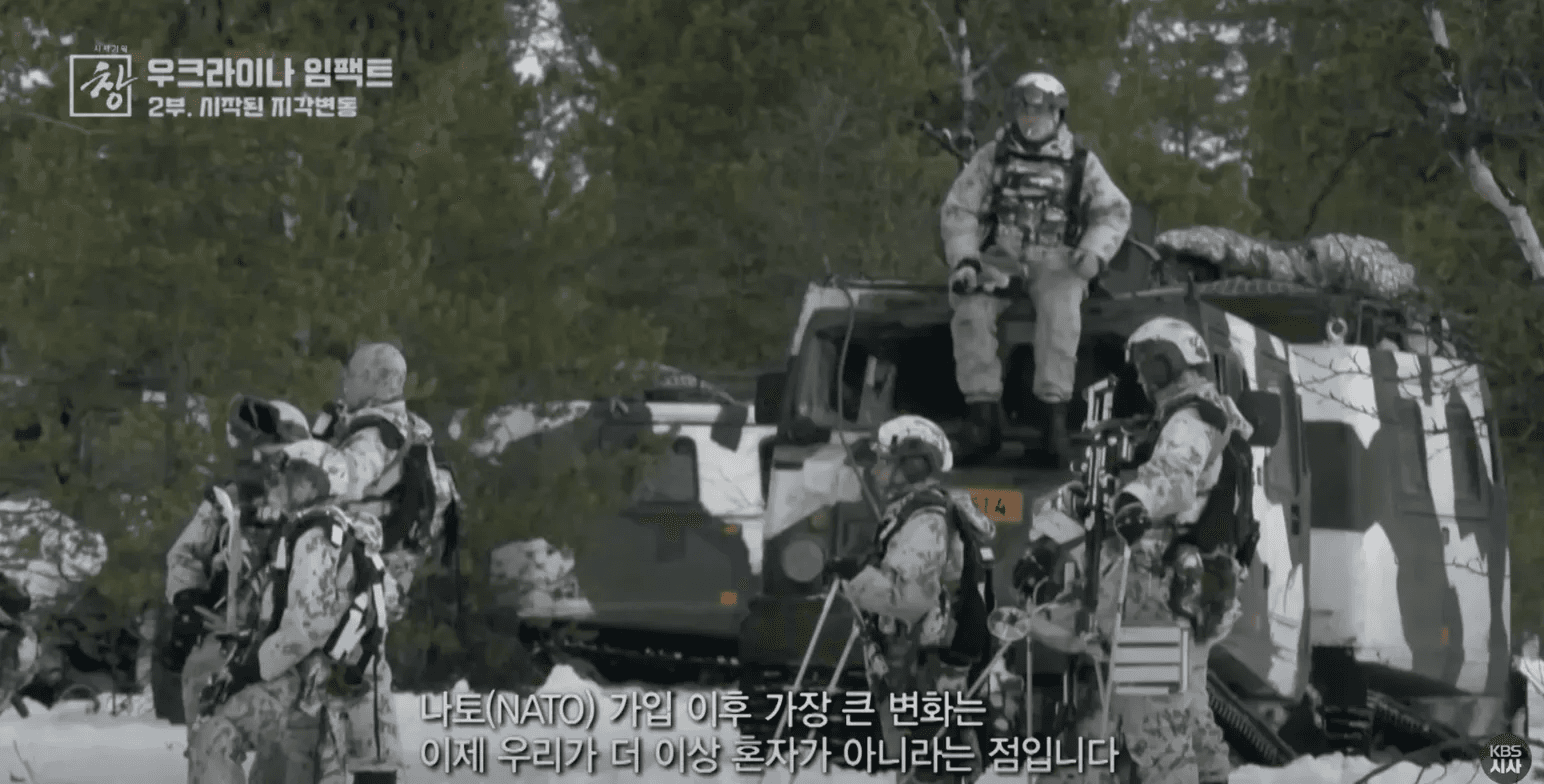
Finland's role in Nordic security is crucial, as it shares over 1,300km of border with Russia. Near the border lie St. Petersburg and the Kola Peninsula, both strategically and emotionally important to Russia. Due to the Russia-Ukraine war, Russia is currently conducting very strong GPS jamming around St. Petersburg, affecting drone operations, maritime navigation, and aviation equipment. The biggest change since joining NATO is that Finland is no longer alone. If needed, other countries can provide support from behind.
A Shopping Mall Turned to Ruins at the Finland-Russia Border
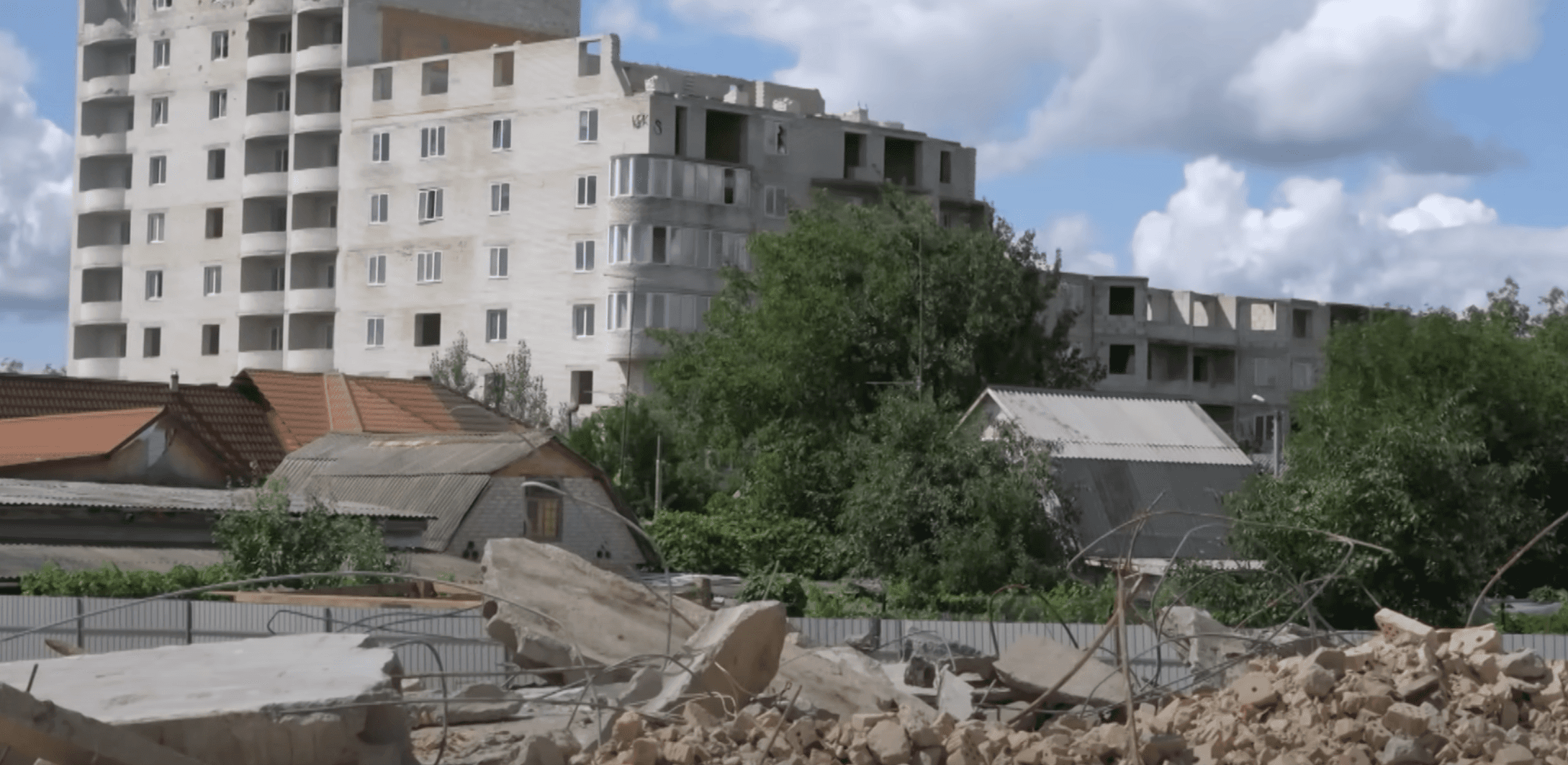
The 3.5 million Russian tourists who visited annually before the war have all disappeared. A large shopping mall built to target Russian tourists took a direct hit. Built in lavish Russian style, famous international brands couldn't even display their goods before closing their doors. The massive parking lot, complete with electric vehicle charging stations, has become a desolate empty lot.
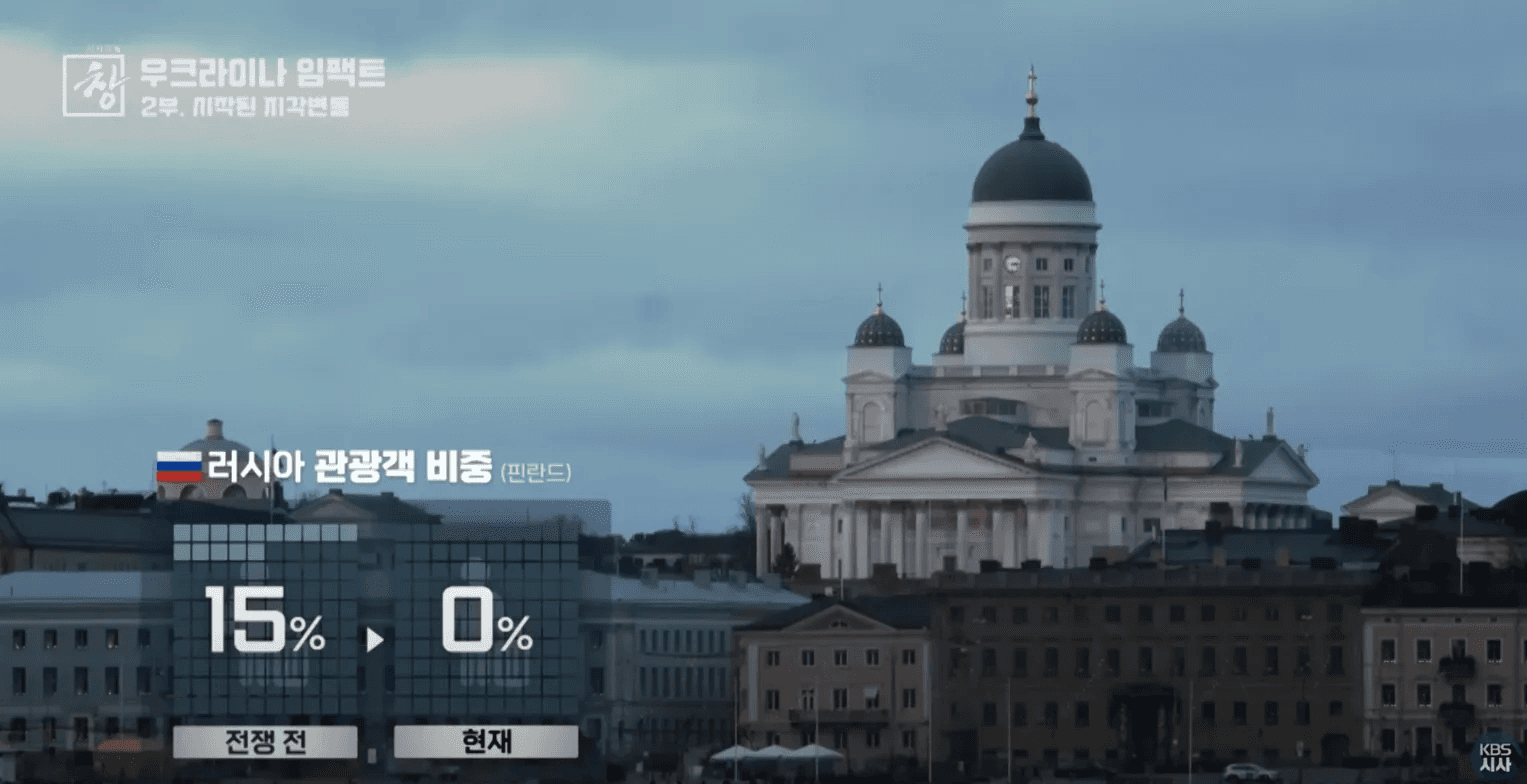
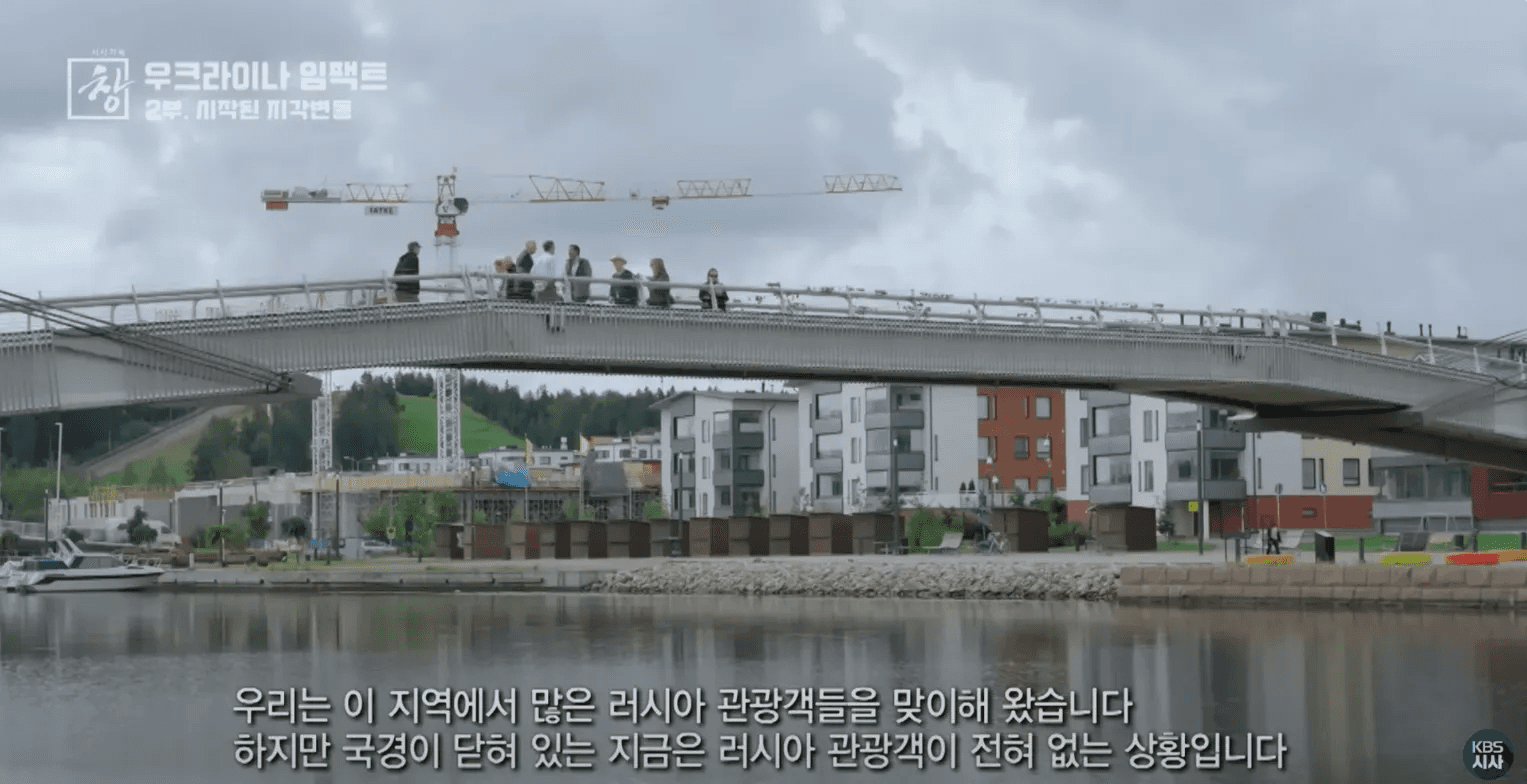
All exchanges were severed following Russia's invasion of Ukraine and have yet to be restored. This region used to welcome many Russian tourists, but with the border closed, there are no Russian tourists now. Take the timber industry as an example—they used to import raw materials from Russia, but can no longer do so, causing losses. The restricted supply of raw materials naturally affected prices. Trade with Russia, which exceeded 10% before the war, has now shrunk to about 1%. Russian tourists, who once accounted for 15% of all hotel guests, have completely vanished.
Memories of the Past: Refurbished Air Raid Shelters
Finland's Memory of Soviet Invasion
From the winter of 1939 to 1944, Finland lost territory to Soviet invasion but never surrendered. Based on past experience, Finland built underground shelters capable of accommodating 90% of its entire population to prepare for possible future invasions. Five floors underground lie these air raid shelters. Inside, you encounter steel doors over 60cm thick, followed by double and triple steel entry doors. These shelters, designed with even nuclear war in mind, are stocked with months' worth of food, water, and emergency medicine.
To help citizens easily locate shelters in emergencies, the Finnish government has equipped these spaces with sports facilities and offers various free courses during peacetime. In Finland, where sports are highly valued, taekwondo is one of the popular activities. Since the outbreak of the Russia-Ukraine war, the Finnish government has been inspecting whether underground shelter facilities across the country are properly maintained. Daily life continues largely unchanged, but silently, barriers rise higher and trenches grow deeper.
Building Anti-Russia Defense Lines Across Europe
In the Black Sea, NATO member states are strengthening their offensive response to Russia. Poland is massively expanding its military and serving as the EU's support channel for Ukraine. The Baltic states, having cut civilian exchanges with Russia, are increasing NATO troop deployments, and as Finland builds new barriers, Russia is being isolated from Europe.
Tensions over Kaliningrad, Russia's exclave territory, and the Suwałki Gap—the land corridor between the Baltic states and Europe—are raising barriers along Russia's borders even higher. As massive barriers rise in the west, Russia is turning its gaze east and south.
The First North Korea-China-Russia Summit in 66 Years, and Korea
On September 3, 2025, at China's Victory Day 80th anniversary military parade in Beijing, the leaders of North Korea, China, and Russia gathered together. It was the first time in 66 years that the leaders of Russia, China, and North Korea stood side by side. The distance between the three leaders is closer now than it was then. China's position had been that strengthening the North Korea-China-Russia triangle was not what China wanted. However, as pressure on Russia intensifies in the Black Sea and Baltic regions, and as the war drags into a prolonged conflict, Russia has grown closer to both China and North Korea. The ripples of the Russia-Ukraine war, which has already transcended the level of a regional conflict, are reaching the Korean Peninsula and Northeast Asia.
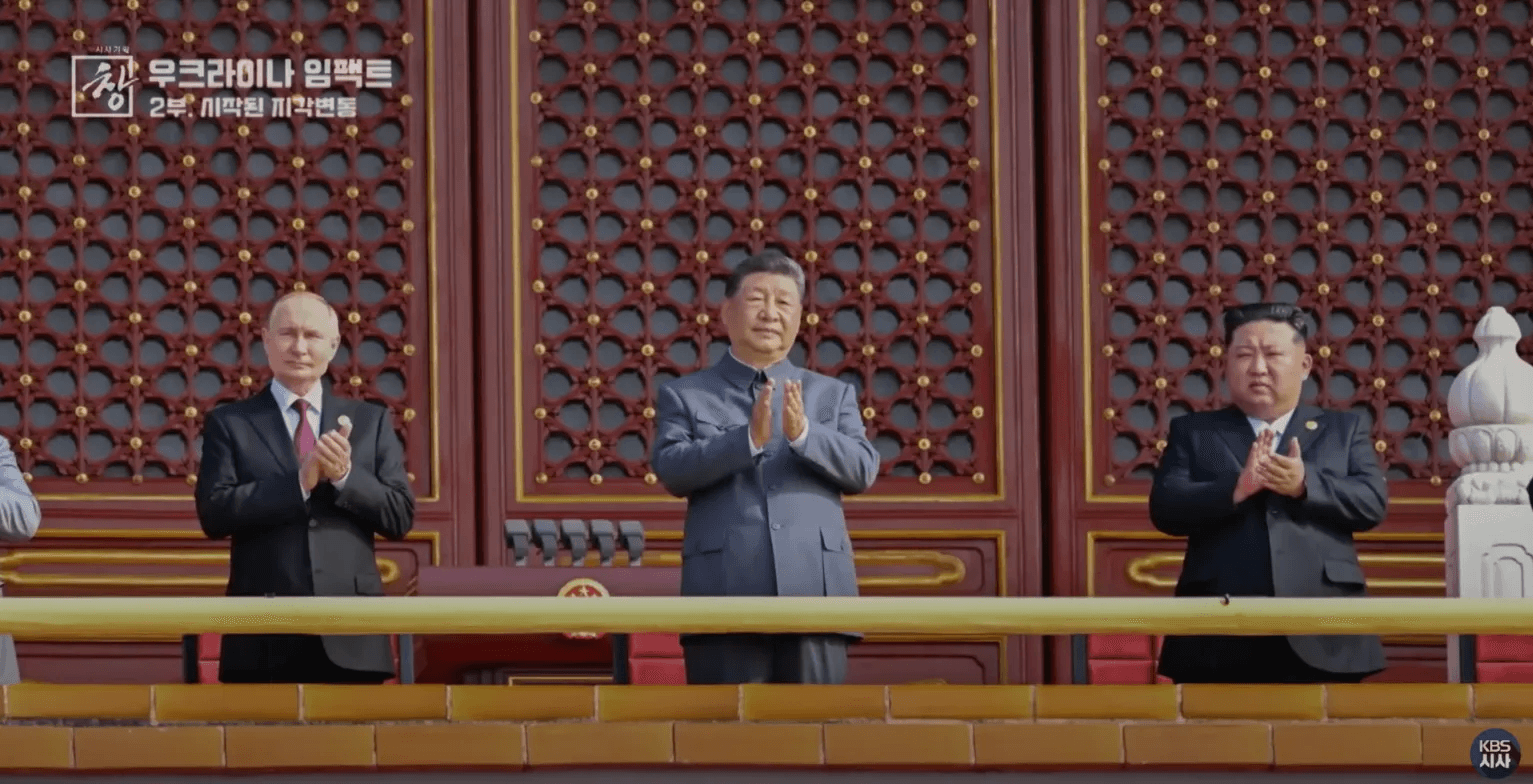
For the Korean Peninsula, which has witnessed severed roads due to division and rising barriers and barbed wire fences, the questions Europe poses today are not trivial. What are you doing right now to prevent war and protect peace?
Stay up-to-date